
As a potentially record-breaking El Niño begins, scientists are debating if climate change is making this phenomenon more intense. This discussion has significant implications for extreme weather and costly disasters globally.
El Niño, occurring every few years, elevates global temperatures. It is expected to persist through 2027, with predictions of it being particularly strong. The intensity of El Niños in the past few decades stands out compared to the last 600 years, leading to differing views among researchers.
Some scientists suggest that climate change is amplifying El Niño’s effects. However, others believe there is insufficient evidence to support this theory. Kim Cobb, a climate scientist and director at the Institute at Brown for Environment and Society, emphasizes the importance of getting this answer right.
This uncertainty might remain unresolved for years as more data becomes available. Understanding this link is crucial because El Niños disrupt global weather patterns. They can raise temperatures, increase chances of drought in certain regions, and cause flooding in others.
Since El Niños involve ocean anomalies, larger anomalies due to climate change could lead to more chaos and damage worldwide. More research is needed to clarify this complex issue.
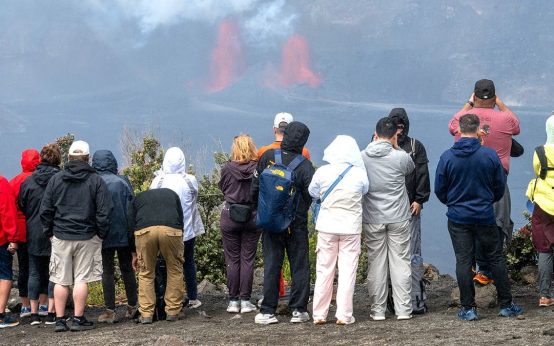 Renewed Volcanic Activity At Kīlauea Prompts Trail Closures
  Completion Approaching for World’s Largest Wildlife Crossing in Agoura Hills
 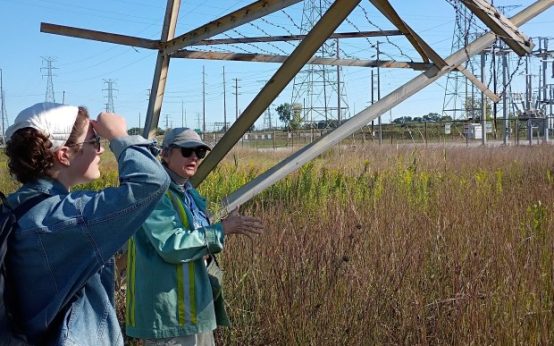 Monarch Butterflies Flourish in Illinois’ Managed Right-of-Ways
 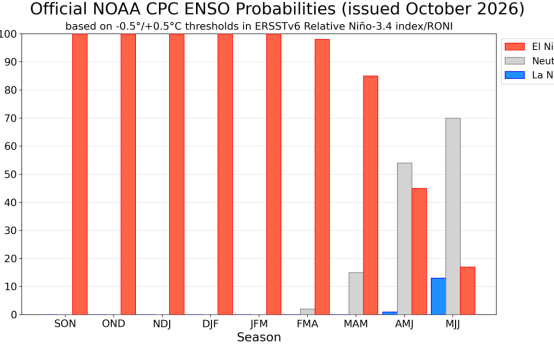 El Niño Strengthens to Historic Levels: What to Expect This Season
  Endangered Species Act and America’s Future Development
  Bokashi Fertilizer Provides Relief for Zambian Farmers Amidst Fertilizer Price Hikes