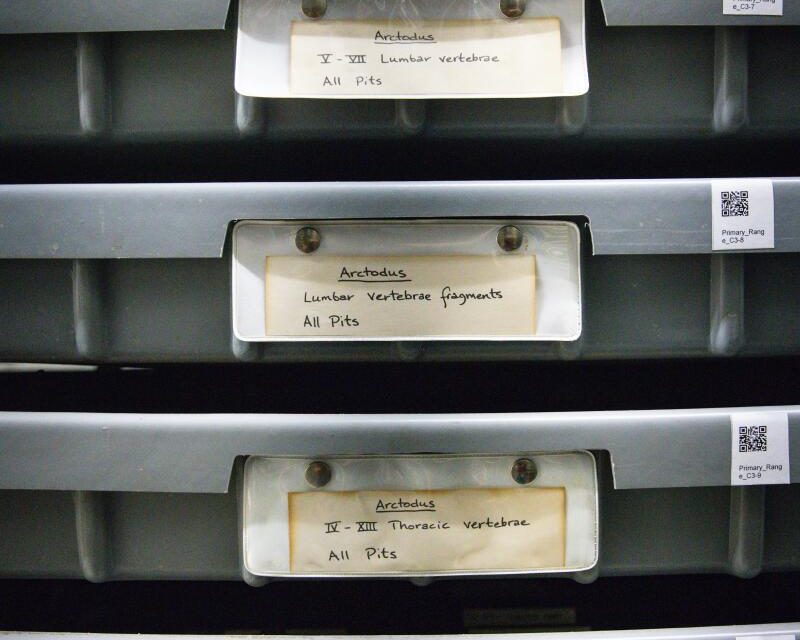
The La Brea Tar Pits are currently undergoing significant changes. Within its confines, a complex arrangement of packing crates with labels like “bison skulls” and “camel hip” dominate the scene. Every single bone, such as the dire wolf ribs and other ancient remains, is being encased in foam for protection.
Beginning July 6, the museum will close for a large-scale renovation and is expected to reopen in summer 2028. The updated site will feature the Samuel Oschin Global Center for Ice Age Research, highlighting its unique role in preserving ancient ecosystems.
Spanning 3.5 million fossils, each piece is delicate and invaluable. Relocation within Los Angeles is not an option, as the tar pits naturally formed over 60,000 years ago, capturing ancient life forms such as camels and mammoths.
“No city anywhere has anything that’s comparable,” stated Regan Dunn, a paleobotanist at La Brea Tar Pits.
Scientists note parallels between the ice age and today’s challenges like climate change and species extinction. In 2023, a study by Dunn and fellow curator Emily Lindsey linked biodiversity collapse during the Ice Age with human activity.
The current museum struggles to convey this story. Opened in 1977, its outdated exhibits sometimes misrepresent the pit’s history. For instance, the mammoth sculpture suggests a quicksand-like effect, whereas the pits trapped animals differently.
Plans for the renovation include preserving popular elements like the grassy slopes, tar pulls exhibit, and mammoth sculptures. Inside, there will be expanded space for displays and educational activities. The landscape will feature plants akin to those from the late Pleistocene.
Returning to the new museum will be the Ice Age mammal skeletons along with new additions. These include a baby bison, a dire wolf, a giant ground sloth skeleton, and “Zed,” an extensively conserved Columbian mammoth.
Volunteers are actively packing collections to be stored at other Natural History Museum properties. Fossil excavation and preservation will continue offsite until the new museum opens its doors.
The museum is also developing mobile programming for the 34,000 schoolchildren who visit annually. The beloved “Fish Bowl” lab, which allows visitors to watch scientists work, will be part of the new design too.
Preparators express both anticipation and the oddness of working without a live audience. As Senior Preparator Laura Tewksbury noted, seeing neighborhood kids grow up during visits is particularly enjoyable.
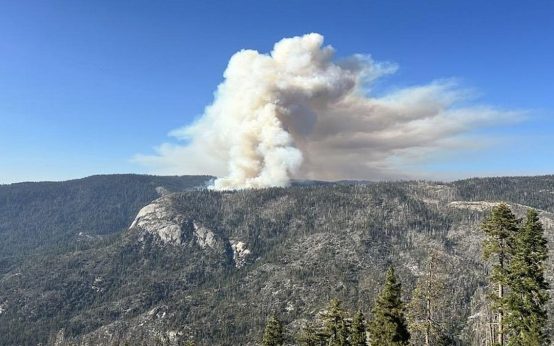 Helicopter Crash Claims Lives of Two Firefighting Pilots in Yosemite
  Cold Weather Alerts and El Niño Influence
 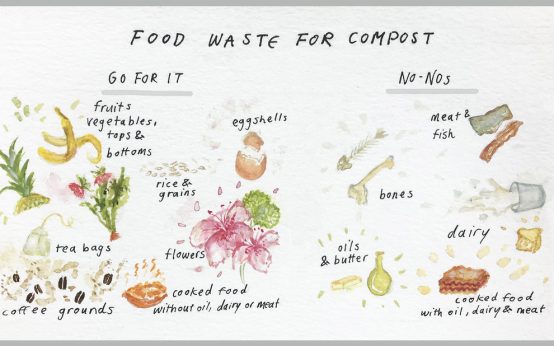 Turning Home Food Waste into Compost: A Guide
 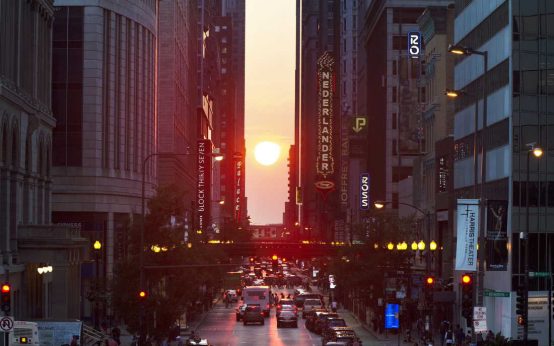 Chicagohenge: When Sunlight Aligns with City Streets
  Fat Bear Week 2026: A Look at the Contest and Its Competitors
  California Governor Declares Statewide Emergency Ahead of El Niño Storms