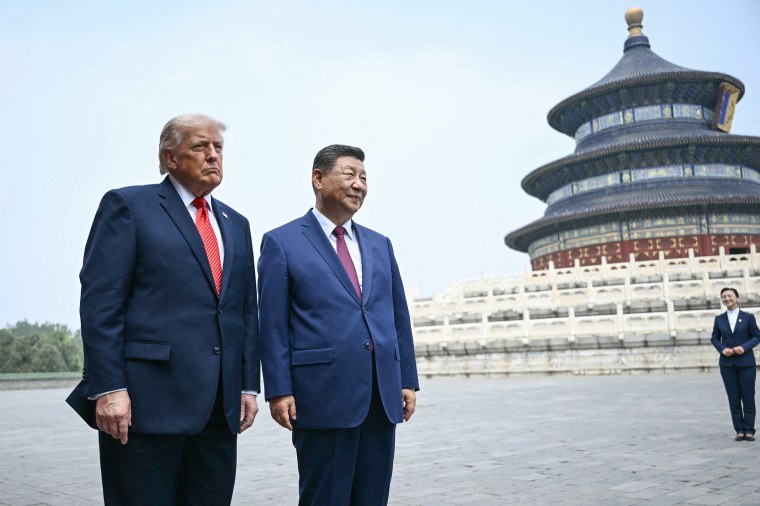
Taiwan announced on Thursday President Lai Ching-te’s willingness to have a conversation with President Donald Trump. This would be a rare interaction between leaders of the United States, the world’s largest economy, and Taiwan, an island claimed by China.
Details about when these talks might occur remain unclear. There is concern that such a dialogue could strain U.S.-China relations, especially while the U.S. considers a large arms package for Taiwan, which operates under democratic governance.
Direct communication between U.S. and Taiwan leaders has been absent since 1979, when diplomatic recognition shifted from Taipei to Beijing. China views Taiwan as part of its territory and has not ruled out using force to assert control.
President Trump recently expressed his intent to speak with Lai, confirming his stance for the second time in a week. This follows his summit with Chinese President Xi Jinping in Beijing.
Taiwan’s foreign ministry reiterated Lai’s readiness to discuss how China impacts regional peace, while maintaining a stable status quo in the Taiwan Strait.
“In addition to being committed to maintaining the stable status quo in the Taiwan Strait, President Lai is also happy to discuss these matters with President Trump,” the ministry said.
Joseph Wu, secretary-general of the Taiwan National Security Council, emphasized a cautious approach. He indicated any developments would be publicly announced, adding that elevated communication levels could benefit regional peace and the democracies in the Indo-Pacific region.
Amidst Trump’s reference to the “Taiwan problem,” using phrasing aligned with Beijing, Wu defended Taiwan, stating that China is creating challenges along the “first island chain” from Japan to the Philippines. He asserted, “China is the problem.”
In a historical context, Trump broke U.S. diplomatic tradition in late 2016 by speaking with Taiwan’s then President Tsai Ing-wen over the phone. Lai’s offers for dialogue have been dismissed by China, labeling him a “separatist.”
China’s foreign ministry reaffirmed its strong opposition to any official U.S. engagements with Taiwan. The recent meeting between Trump and Xi in Beijing had Taiwan as a significant topic of discussion. The U.S. deliberates on approving an arms package for Taiwan, potentially valued at $14 billion, consistent with the 1979 Taiwan Relations Act, which mandates U.S. support of Taiwan’s defense.
Defense Minister Wellington Koo informed reporters that American policy towards Taiwan remains constant. The U.S. commitment to maintaining peace and stability, along with arms deals under the Taiwan Relations Act, reflects ongoing U.S. policy, he noted. “Given that U.S. policy toward Taiwan remains unchanged, I think we remain cautiously optimistic about arms purchases,” Koo said.
China’s discontent continues due to U.S. military support for Taiwan, which includes arms sales aimed at deterring potential Chinese aggression. Taiwan firmly contests China’s claims of sovereignty.
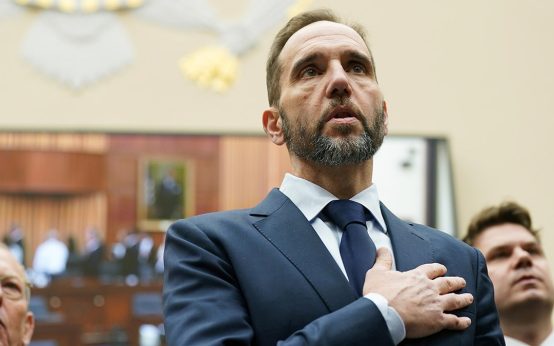 House Republicans Release Transcripts in Jack Smith Investigation
 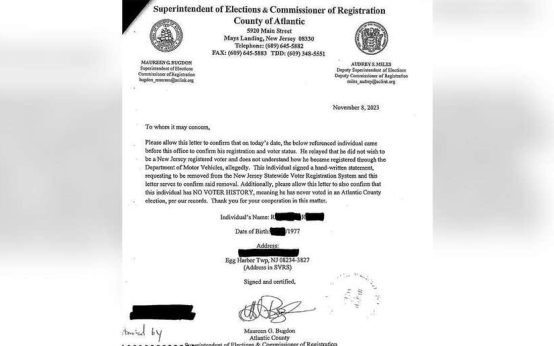 RNC Files Lawsuit for Transparency in New Jersey’s Voter Roll Maintenance
 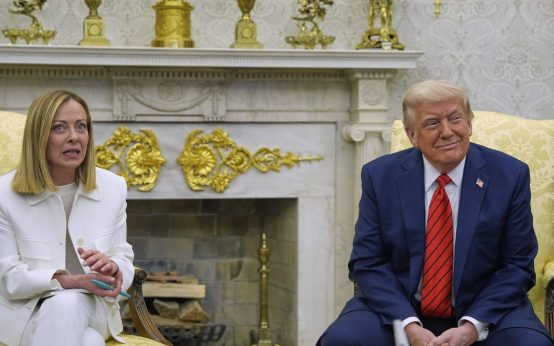 Italian PM Giorgia Meloni Skips UN General Assembly Amid Growing Tensions
 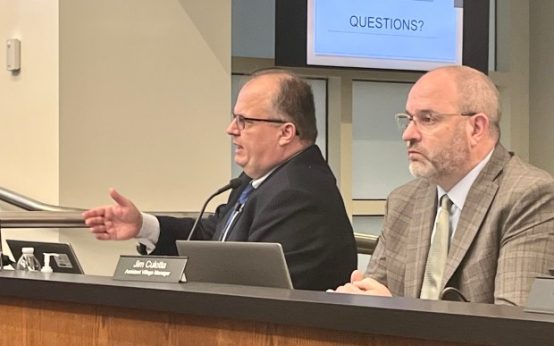 Orland Park Plans New Traffic and Emergency Measures
 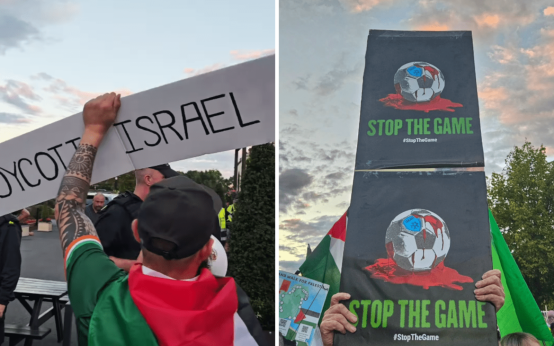 Calls Grow for Ireland’s Soccer Team to Boycott Matches Against Israel
 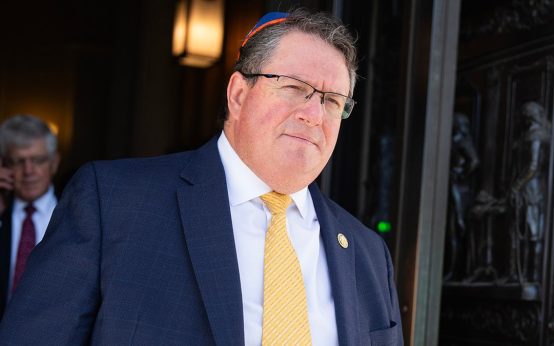 Congressman Randy Fine’s Bold Political Stance and Views on AI Regulation