Since 1991, the Solid Waste Agency of Lake County (SWALCO) has pioneered recycling initiatives, significantly reducing landfill waste. Recycling electronics, batteries, paint, and household chemicals, SWALCO has partnered with 43 municipalities. Executive Director Walter Willis credits creativity and education for their achievements.
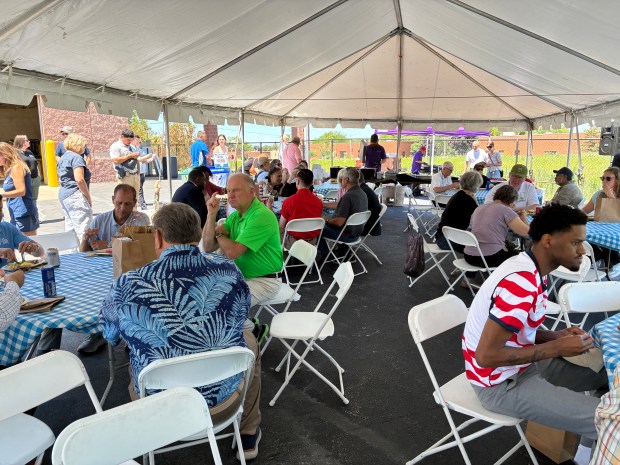
During SWALCO’s 35th anniversary in Gurnee, attendees listened to speakers, enjoyed lunch, and toured the facility. Willis discussed efforts to combine food scraps with yard waste for composting. This step has redirected tons of food waste from landfills.
SWALCO originated from a 1986 concept for a solid waste management plan. Lake County was the first to implement this, following state requirements. Willis emphasized the importance of building relationships with municipalities, stating, “Recycle first, trash last,” as the organization’s guiding motto.
Cooperation with waste haulers ensures effective recycling for single-family homes, with ongoing support extended to apartment owners. Willis acknowledged the challenges in commercial recycling. Highwood led municipal efforts, followed by Highland Park. Municipalities like Deerfield, Bannockburn, and others have full commercial recycling programs.
Recognizing the importance of education, SWALCO has addressed improper recycling practices. With an outreach initiative in Waukegan, North Chicago, and Zion, contamination rates dropped significantly within months.
“More than 800 customers were doing it wrong before we started,” Willis noted, “By April, it was down to 200, and then it was 150.”
For items unsuitable for regular recycling, such as batteries and paint, SWALCO’s Gurnee facility offers safe disposal solutions. Special systems handle flammable items like batteries, with paint sent through machines to extract and prepare containers for recycling.
Senior communications manager Emily Wachter described safety measures, including a high expansion foam fire suppression system to protect against fires, ensuring environmental safety by preventing harmful discharge into waterways.
Recycling coordinator Peter Adrian outlined collaborations with the Illinois Environmental Protection Agency (IEPA) and third-party vendors for materials requiring special processing. While the majority of items find a second life, Adrian acknowledged that about 5% of collected materials are still non-recyclable.
 Concerns Rise Over AI Development and Geopolitical Implications
  Impact of E.U. Regulations on Google Search
 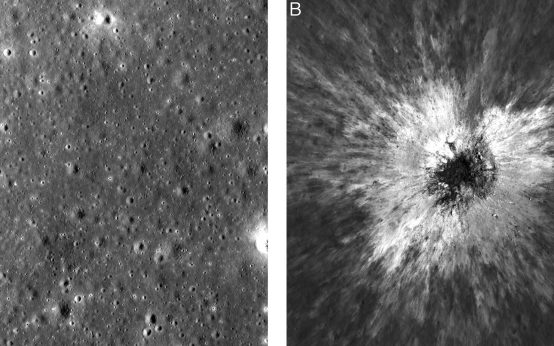 Discovery of Massive Lunar Crater Sheds New Light on Moon’s Surface
 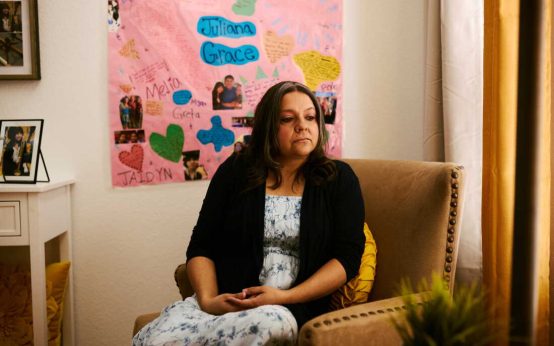 Concerns Rise Over AI Chatbot Safety, Legislation Faces Criticism
  Florida Citrus Growers Use Gene-Editing to Combat Citrus Greening
 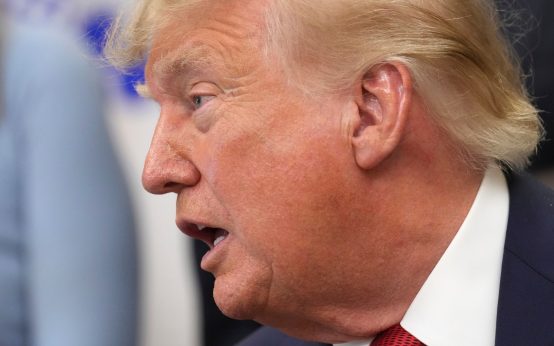 Trump Announces Plan for AI Force and Czar Amid AI Regulation Debate