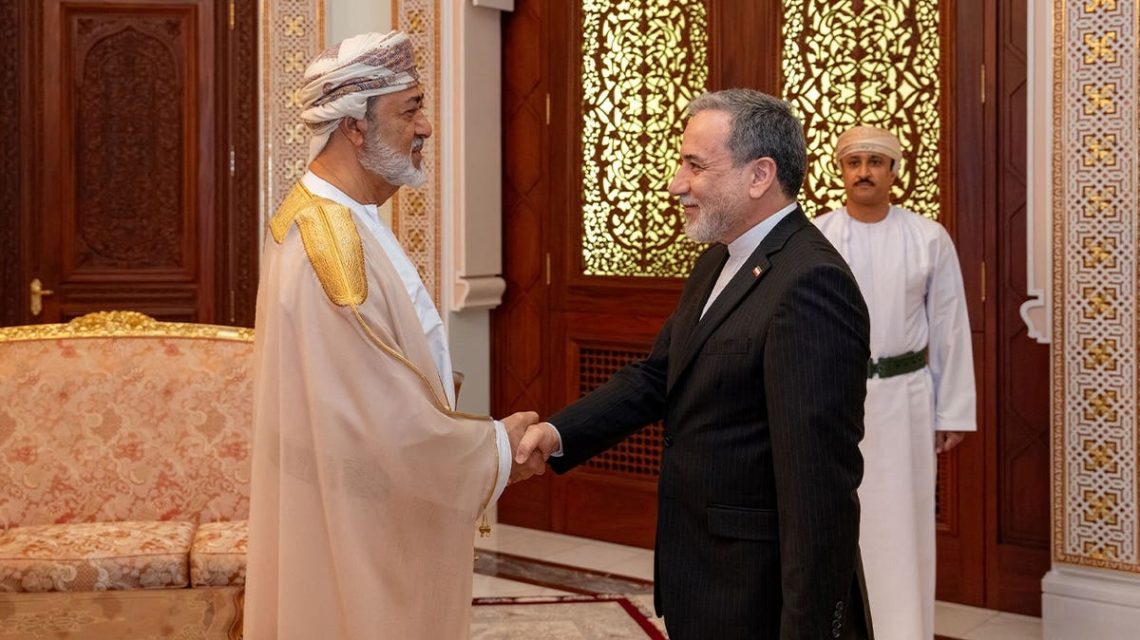
President Donald Trump’s recent threat to “blow up” Oman if the Gulf nation did not “behave” has highlighted a rare tension with one of Washington’s critical Middle East partners. Oman has long served as a discreet channel between the U.S. and Iran.
During a Cabinet meeting, Trump emphasized the importance of keeping the Strait of Hormuz open. He stated, “The strait’s gotta be open to everybody. It’s international waters. Nobody’s going to control it. We’re going to watch over it.” He added, “Oman will behave just like everybody else, or we’ll have to blow ’em up.”
The warning came amid talks about the Strait of Hormuz, a crucial channel for global oil supply. The Trump administration opposes discussions involving Iran and Oman about a potential tolling system or shared control of the strait. Such an arrangement could threaten shipping freedom and increase Iran’s sway over this key route.
Role of Oman in Middle East Diplomacy
Oman occupies the southern side of the Strait of Hormuz. It has maintained a foreign policy independent of its Gulf neighbors. While it has close security ties with the U.S., Oman also preserves relations with Iran, acting as a diplomatic intermediary.
Oman facilitated secret U.S.-Iran talks that led to nuclear negotiations. It has served as a channel between Washington and Tehran and played roles in Yemen peace efforts involving Iran-backed groups.
“Oman’s role as the Switzerland of the Middle East has advanced U.S. interests,” stated April Alley of The Washington Institute.
Concerns Over Control of the Strait
The Omani embassy and the White House were not available for comments. The Trump administration’s concerns extend to potential Iranian influence on regional waterways.
Fears center on reports of possible tolls or joint management of the Strait of Hormuz by Iran and Oman. Discussions like these could allow Iran to interfere with navigation, setting a precedent for similar claims elsewhere.
Mona Yacoubian from the Center for Strategic and International Studies warned that financial benefits for Iran through the strait’s management are worrying.
Oman’s Controversial Position
Oman’s foreign policies, which sometimes align with Iran and other regional powers, can be contentious. Instances of weapons smuggling and hosting of Houthi leaders are points of concern for U.S. policymakers.
Michael Rubin of the Middle East Forum noted Oman’s “Qatar-lite” approach, balancing between different regional powers while pursuing its own interests.
Despite momentary disputes, Daniel Beinam of the Middle East Institute emphasized the enduring U.S.-Oman relationship, which has persisted for over a century.
 Counterpressure, Not Concessions, Crucial for Russia-Ukraine Conflict
  Ukraine’s Capital Faces Increasing Frontline Challenges
  Key Developments in U.S. Politics and International Relations
  Latest Developments in Politics and Policy
 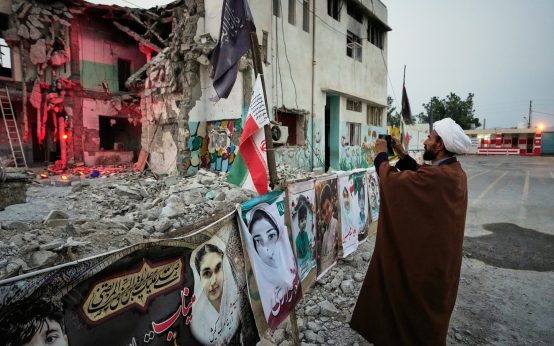 U.S. Airstrike on Iranian Girls’ School: UN Report and Global Reactions
  Cornell University Sexual Assault Investigation Reopened