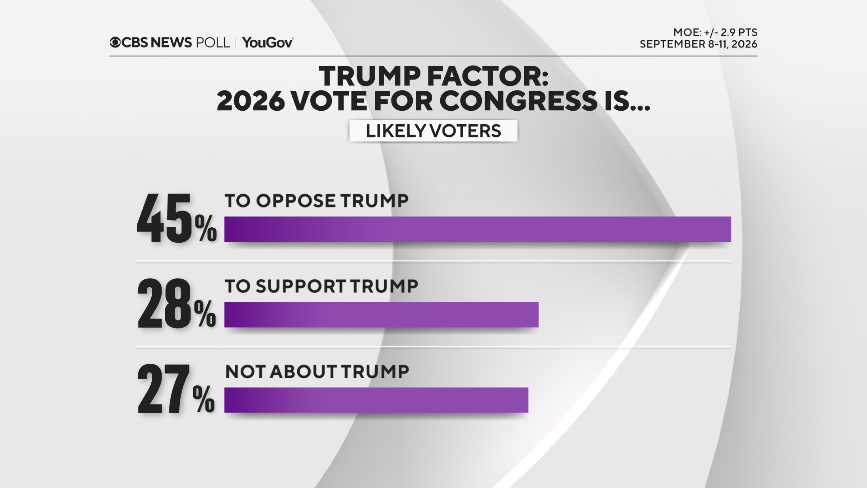
The upcoming midterm elections have drawn attention from both Republicans and Democrats, focusing on President Trump’s significant influence. Both parties perceive him as a critical factor in voter sentiment, with his impact potentially surpassing his previous influence in 2018.
Amidst the elections, voters face uncertainties regarding the economy, inflation, overseas conflicts, and the implications of AI. Economic concerns, particularly prices and inflation, shape voter behavior, reminiscent of conditions two years ago. Many voters, however, doubt any party’s ability to improve their financial situation. The prevalent sentiment is opposition rather than support for a particular party.
Voter Preferences and Economic Concerns
Voters generally favor candidates opposing new tariffs and the Iran conflict, associating such issues with increased prices. The CBS News’ House model translates these general congressional preferences into potential seat allocations, with Democrats currently forecasted to hold 228 seats. This number exceeds the 218 necessary for a majority, though considerable variability exists, spanning from 215 to higher 230s, depending on upcoming developments.
The persistence of Trump supporters within the GOP stems from opposition to Democratic policies. Democrats attract voters distressed by high prices. Much of their support is driven by opposition to Trump policies rather than specific Democratic initiatives.
Turnout Considerations
Democratic enthusiasm to vote appears stronger compared to Republicans. However, Trump’s influence persists in mobilizing MAGA Republicans, echoing past urgings for voter turnout by Trump and party leaders. Yet, uncertainty remains about turnout among non-MAGA Republicans, who seem less committed to voting.
Trump endorsements sway most Republicans, particularly MAGA supporters, who approve of his stance on immigration and support candidates adhering to his policies involving ICE, tariffs, and the Iran conflict.
Key Groups and Election Dynamics
The eventual distribution of congressional seats will hinge on several key dynamics, including a party’s ability to convincingly argue for economic improvement. While Democrats hold a slight advantage, democratic socialist endorsements have limited appeal beyond their base.
Growth among Hispanic voters, many of whom oppose the administration’s ICE strategy, benefits Democrats. However, Trump’s previous economic appeal in 2024 retains Republican loyalty, even among those facing financial challenges, due to negative perceptions of Democrats.
Impact of Inflation and Policy Views
Voters express apprehension about a Democrat-controlled Congress, perceiving it as a cultural threat. Gas prices fuel divisions within the GOP, with MAGA Republicans supporting higher prices amid the Iran situation, unlike their counterparts.
On technology, both parties generally foresee AI decreasing job opportunities, with more Democrats believing this.
The CBS News/YouGov survey conducted among 2,460 adults between September 8-11, 2026, offers insights into these sentiments, weighted to reflect national demographics based on U.S. Census data. The margin of error stands at ±2.3 points. Seat estimates from CBS’s model incorporate poll data, voting history, and district characteristics, acknowledging potential statistical errors and changing projections as new data emerges.
David Van Riper contributed additional reporting.
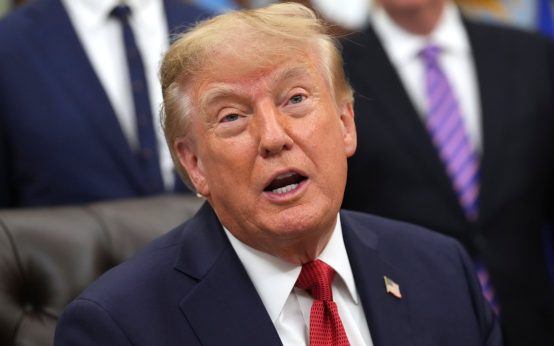 White House Launches Trump TV Amidst Press Dispute
  Media Organizations Sue Trump Administration Over Press Access
 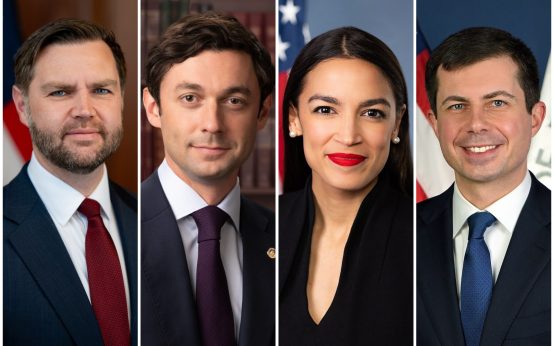 VP JD Vance Trails Potential Democratic Contenders in Early Polling for 2028 Election
  Rising Beef Prices: Causes and Policy Responses
  The Push for Permanent Daylight Saving Time
  Trump Visits New York Mayor Mamdani at Gracie Mansion