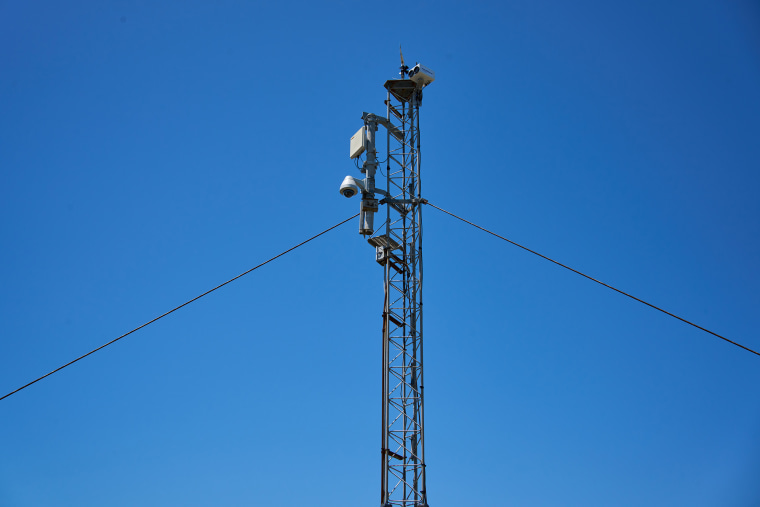
San Francisco Bay sees diverse marine traffic including ferries, cargo ships, and tankers. Recently, a new AI-powered detection network, WhaleSpotter, has been launched to track whale activities around the clock. This technology is revolutionizing the way mariners navigate, ensuring they slow down or reroute when whales are spotted within 2 nautical miles.
Tracking Whale Movements
Thomas Hall, Director of Operations for San Francisco Bay Ferry, emphasizes the importance of detecting whales early. Adjustments to routes can now be made well in advance of any potential collision. Additionally, data collected over time allows for identifying popular whale habitats, enabling route modifications during whale seasons for safer navigation.
Gray Whale Mortality Concerns
There is growing concern over the rise in gray whale deaths in the bay. The Marine Mammal Center recorded 21 dead gray whales in 2023, largely attributed to ship strikes. This year, the count has reached at least 10 deaths. Scientists believe these figures underestimate the true impact, as many carcasses remain undetected after sinking or drifting out to sea.
Migratory Patterns and Climate Effects
Gray whales traditionally migrate along the California coast on their 12,000-mile journey between Mexico and the Arctic. However, more whales are diverting into the San Francisco Bay, staying for extended periods due to climate-related disruptions of their Arctic feeding grounds.
Technological Integration
WhaleSpotter operates with thermal cameras that provide real-time alerts. AI flags potential sightings, verified by observers, before being shared via radio and on the Whale Safe website. The network integrates land-based and vessel-mounted data for nearly real-time alerts to mariners navigating the bay.
Currently, one camera is installed on Angel Island, with plans for more on ferries and the Golden Gate Bridge. These installations are key in creating comprehensive coverage.
Humpback Whale Risks and Innovations
A lingering marine heat wave off California affects humpback whale feeding habits. As waters warm, whales follow prey closer to shore, risking entanglement with Dungeness crab fishery gear. The fishery has adapted by adopting ropeless pop-up gear to minimize risk, crucial for protecting vulnerable humpbacks.
Entanglements often result in starvation or drowning, with 36 cases confirmed off the West Coast in 2024. Scientists urge continuous adaptation and innovation to maintain balance between conservation and fishing activities.
California’s leadership in developing whale-safe technologies offers hope for wider application in other regions.
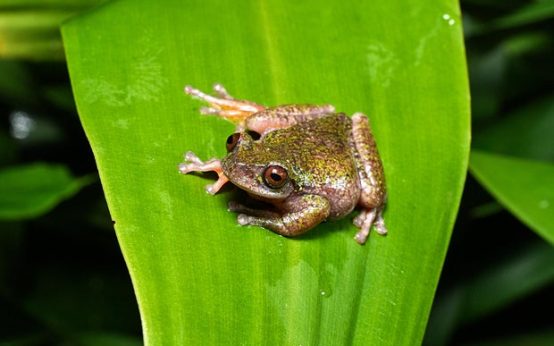 Discovery and Risks Facing Costa Rica’s New Frog Species
 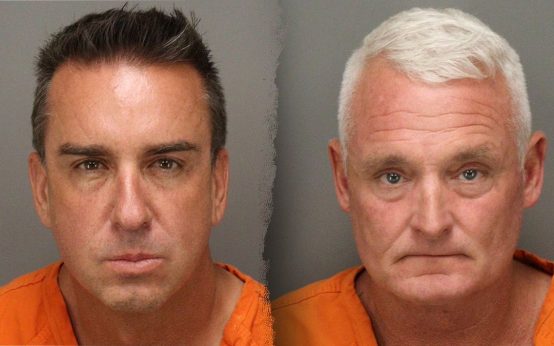 Florida Business Owners Charged for Deterring Nesting Birds with Mothballs
  Tariffs on Polysilicon Impact Green Energy Transition
  Lake Mead Hits Lowest Water Level as Colorado River Crisis Worsens
 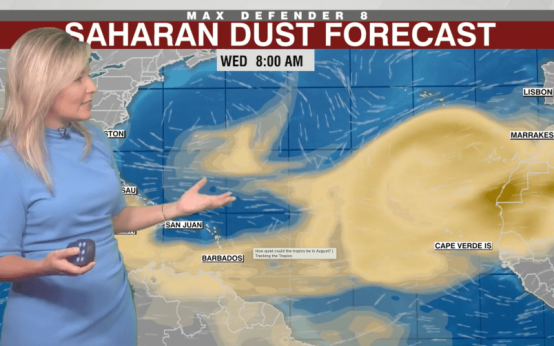 The Effects of Saharan Dust on U.S. Weather
 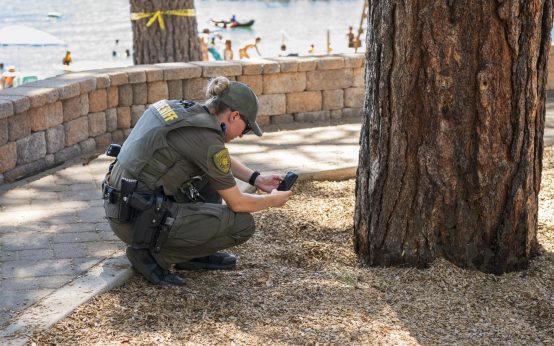 Mystery Tree Poisoning in Lake Tahoe Community