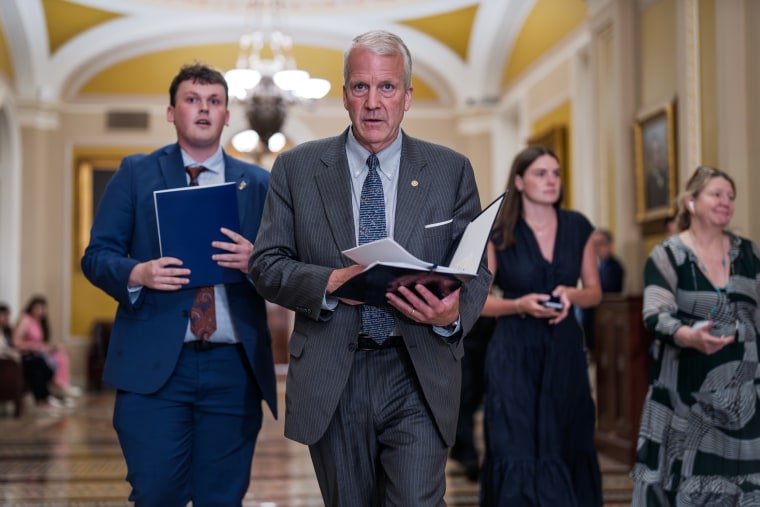
In Juneau, Alaska, a candidate with the same name and party affiliation as Republican U.S. Senator Dan Sullivan challenged his disqualification from the primary ballot. Attorney filings claimed the decision by Division of Elections Director Carol Beecher violated state and federal law. They argued the candidate, a retired teacher from Petersburg, is eligible for the U.S. Senate and was unfairly removed.
The candidate’s lawyers pointed out the U.S. Constitution specifies three Senate qualifications: age, citizenship, and residency. They insisted Alaska law does not regulate personal motivations for running for office. The filing, authored by attorneys Jeffrey Robinson, Bryn Pallesen, and Zoe Eisberg, emphasized this point.
The entrance of the candidate into the race, days before the June 1 deadline, drew criticism from Senator Sullivan and the National Republican Senatorial Committee. They accused him of being a sham candidate collaborating with Democrats to aid Mary Peltola’s candidacy, though all parties denied these claims.
Senator Sullivan and Peltola lead a competitive race with over a dozen candidates, considered crucial for Senate control in the midterms. Steve Kirch, division spokesperson, declined to comment on ongoing reviews or investigations. Ballots are scheduled for printing soon.
Alaska Department of Law spokesperson Sam Curtis indicated confidence in defending the division’s actions, anticipating a swift court decision. Beecher disqualified the candidate after Republican Lt. Gov. Nancy Dahlstrom announced an inquiry. Beecher asserted his candidacy aimed to deceive voters and harm ballot neutrality.
Dahlstrom referred to ‘credible allegations’ of coordination to mislead voters. Yet, Beecher found no evidence of collaboration with Peltola or Democrats when disqualifying the challenger. The candidate insisted on no contact with Peltola’s campaign.
Beecher noted he registered as Daniel J. Sullivan Jr., later changing party affiliation to Republican. She highlighted campaign website similarities with the senator and his consultant’s Democratic ties. Beecher referenced a regulation against confusing or misleading ballot names.
Democratic Rep. Andrew Gray’s inquiry saw legislative attorney Andrew Dunmire argue the regulation doesn’t preclude the candidate’s ballot listing. Attorneys for the challenger concurred, suggesting clear ballot design differentiating the two Sullivans.
The challenger was initially certified as Dan J. Sullivan, while the senator appeared as Dan S. Sullivan, marked incumbent. Alaska’s open primaries advance the top four candidates, regardless of party.
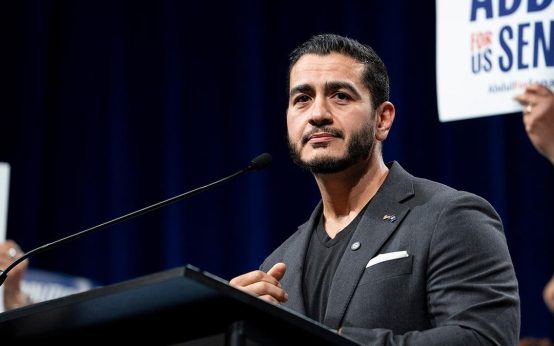 Michigan Senate Nominee Abdul El-Sayed Criticized for Remarks on Reproductive Rights
 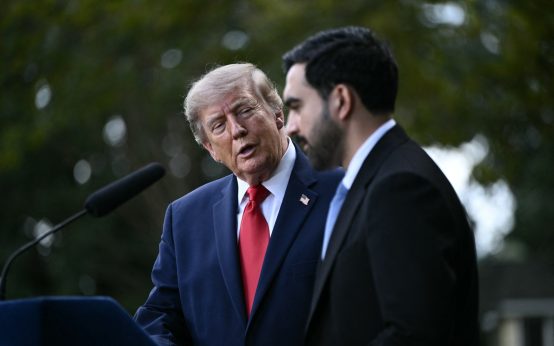 Poll Reveals Voter Preferences Between Socialist Democrats and MAGA Republicans
  Challenges of Electing a Female President: Insights from ‘The View’
  Upcoming Concerns and Influence in Health Politics
  Rep. Donalds Distances Himself from Trump as Florida Governor Race Tightens
  Controversy Surrounds President Trump’s Proposed D.C. Arch