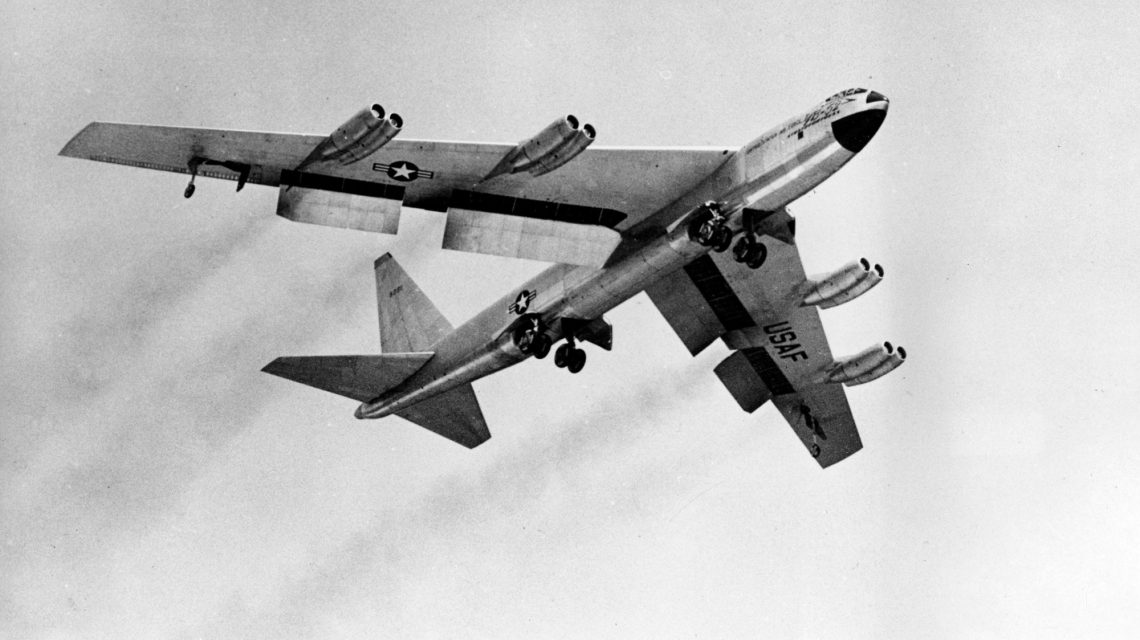
The B-52 Stratofortress, unveiled during a test flight over Boeing Field in Seattle, Washington in May 1952, remains vital to American defense. This eight-engine aircraft measures 152 feet in length with a wingspan of 185 feet and a tail height of 48 feet. The model has been a continuous asset for over 70 years, particularly during the war with Iran. Plans are in place to maintain its combat readiness into the 2050s.
While innovation is necessary, assessing the cost-effectiveness of maintaining existing technology could secure millions to billions of dollars in taxpayer savings. This contributes to national safety during the development of new technologies.
Another example is the Ohio Class nuclear-powered ballistic missile submarines of the U.S. Navy, forming a crucial element of the U.S. nuclear-deterrent triad. With over 45 years of service, these submarines continue to be integral alongside U.S. Air Force strategic bombers and intercontinental ballistic missiles in preventing nuclear threats.
Innovation encompasses both new technology and the maintenance of existing vital assets. Some suggest China surpasses the U.S. in this regard. The National Defense University Press highlighted logistic unsustainability in military services (Marines, Army, Air Force), emphasizing logistics as a determinant of military outcomes. A survey of historical Great Power wars indicates logistics as critical in China’s military approaches.
Details often overlooked hold significant importance, as noted by an Air Force general. He emphasized that lifecycle costs outweigh acquisition costs, highlighting the vast-scale replacement of rivets (fasteners) in military and commercial aircraft. China excels in this area, and the U.S. has identified robotics technology to enhance rivet replacement 20 times more efficiently. This advancement offers strategic benefits in the logistical competition with China.
Maintaining readiness of older technologies, like rivet replacement on aircraft or updating submarine fleets, is vital against adversaries. The National Defense University’s report concludes that the U.S. faces its greatest logistical challenge historically, stressing the determination of logistics in future conflicts. Enhancing the mindset and practices within the logistics community is essential.
Decision-makers are urged to recognize these logistical challenges. Visualizing the age of aircraft rivets during travel may spark awareness of the urgent need for logistical enhancements, underscoring the significance of preserving older technologies.
 Hurricane Isaias Brings Devastation and Uncertainty to the Southeast
  Hurricane Isaias Impact and Related Events
  Police Investigate Potential Serial Killer on Popular Trail
  San Diego County’s Legal Battle Against 3D-Printed Ghost Guns
  Shooting of Dominican Man by Federal Officer Sparks Controversy
  Demonstrators Rally on National Mall to Support Cornell University Rape Case