
The ongoing conflict in the Persian Gulf has sent ripples across the globe. It has disrupted the world economy and unsettled alliances. The situation has affected the freedom of navigation and put the nuclear nonproliferation order under threat.
Economic and Strategic Challenges
The conflict in Iran has strained the U.S. military, especially as China continues its military buildup. These strains have exposed weaknesses in U.S. strategic planning. Global markets have suffered instability, affecting energy supplies and trade routes.
Impact on Alliances and Nonproliferation
Alliances that the U.S. has long depended on have become strained. Trust issues have risen due to the perceived lack of U.S. strategic capacity. Meanwhile, concerns over nuclear proliferation grow, making global security more precarious.
Strategic Insolvency
The war has highlighted gaps in U.S. military readiness. This realization forces a reevaluation of defense strategies to better address emerging global threats, notably from China.
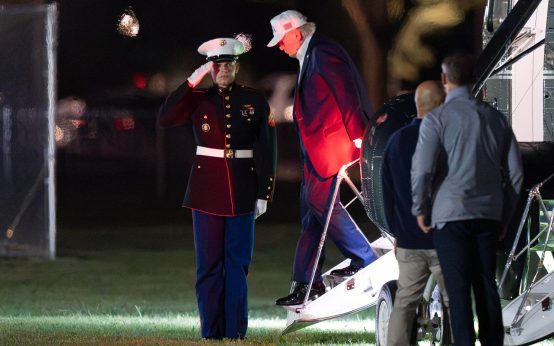 Trump Shortens Camp David Trip Amid Middle East Tensions
  Addressing Artificial Intelligence Concerns Beyond Political Lines
  U.S. Strategic Goals in Question Amid Ongoing Conflict
 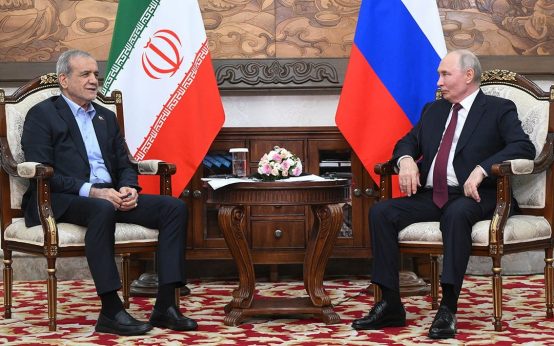 Russia’s Expanding Relationship with Iran: Strategic Plans for 2024-2026
  Ed Sheeran Expresses Regret Amid Controversy Over Macklemore’s Tour Exit
  Confronting China’s Religious Oppression: A Call to Action