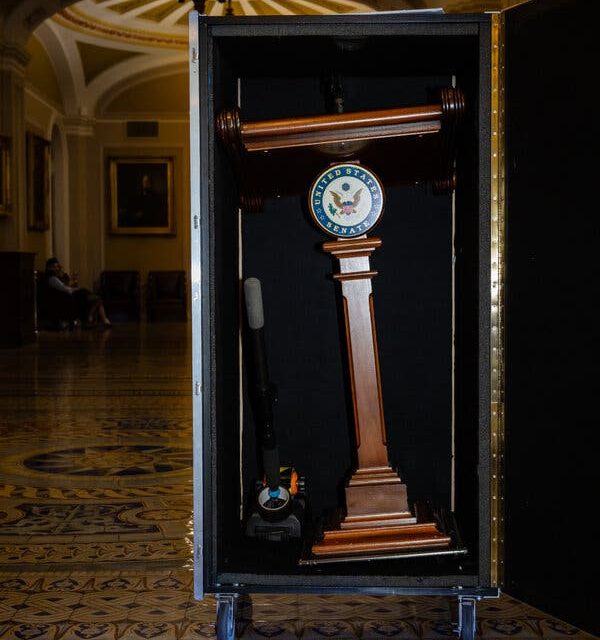
When was the last time you heard a speech that filled you with hope for the future? In California, speeches have not been at the center of the governor’s race. Instead, the primary campaign feels like a roller coaster, featuring scandals, ads, loud debates, talking points, podcast talks, and viral pursuits.
The outcome is a sense that you know a lot yet nothing about the candidates. Steve Hilton, originally from Britain, is a Fox News figure who praises California but criticizes its big government. Tom Steyer, a billionaire, backs a progressive agenda. Xavier Becerra’s extensive government history either qualifies or disqualifies him. Katie Porter divides people with her aggressive approach.
But what is their vision for the future, and why are they pursuing it?
Historical Impact of Speeches
The last Californian to reach the pinnacle of American politics did so on the strength of a speech. In 1964, Ronald Reagan, then an actor out of work, delivered the influential “A Time for Choosing” on national TV. This speech mixed conservatism with common sense, religious fervor, and patriotic nostalgia, leading to his rise as California’s governor and, eventually, U.S. president. Similarly, Barack Obama’s 2004 speech at the Democratic National Convention, advocating liberalism and multiracial unity, driven his political rise.
Both Reagan and Obama used their speeches to guide their parties out of political obscurity. Democrats should remember that their route from setbacks in 2004 to a resounding victory in 2008 required more than just policies or ideology; it was built on narratives about the American identity.
The Nexus of Words and Power
The essence of democracy involves the connection between movements and authority, culture and politics. Imagine Reagan’s revolution or Obama’s coalition without their defining speeches. Consider the culture wars without Pat Buchanan’s charged rhetoric, the civil rights movement without Martin Luther King Jr.’s orations, or abolitionism without Frederick Douglass’s moral insights. History shows that American speeches matter. They persuade, mobilize, and reshape the nation.
The Changing Landscape of Political Communication
Recently, technology has changed how we absorb information. Radio required clear explanations, TV highlighted charisma, but the internet has created boundless competition for attention. Social media, in turn, separates us into polarized groups through algorithms. Political speech has become fragmented into brief segments meant to provoke reactions. The art of storytelling has been overshadowed by viral content. Now, artificial intelligence continues this cycle without human input.
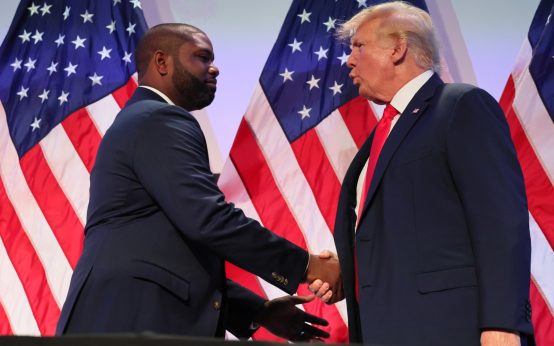 Florida Governor Race: Byron Donalds Adjusts Campaign Approach
 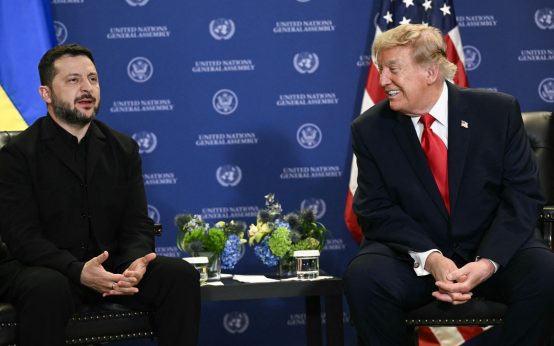 Trump Meets Zelensky and Plans for U.S.-China Relations
 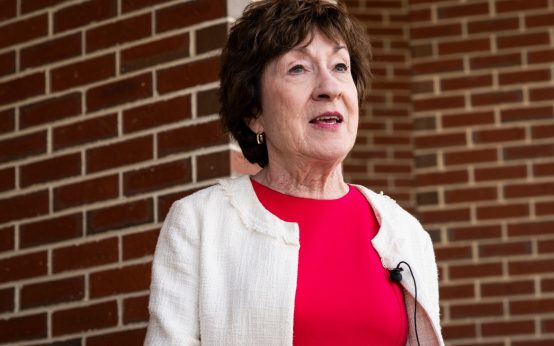 Tight Senate Race in Maine as Susan Collins Faces Criticism
 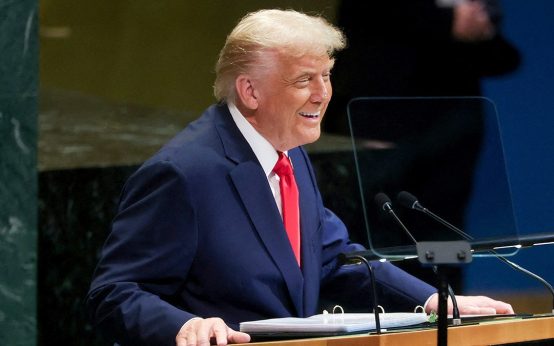 Trump’s Vision on Iran, AI, and Global Security at the UN
 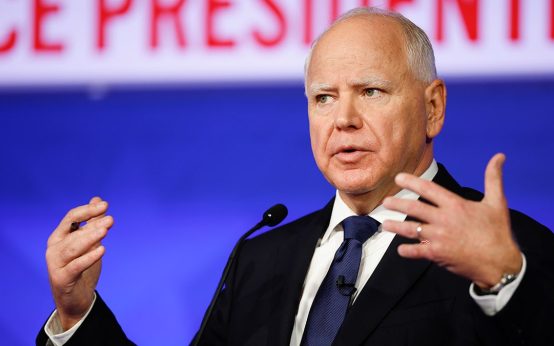 Noncitizens Charged with Voter Fraud in the U.S.
 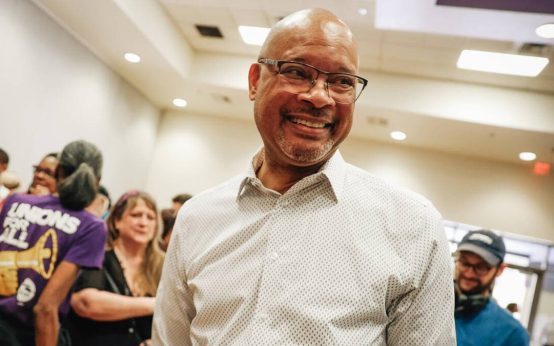 Nevada Attorney General Faces Questions Over Clemency Support for Convicted Killer