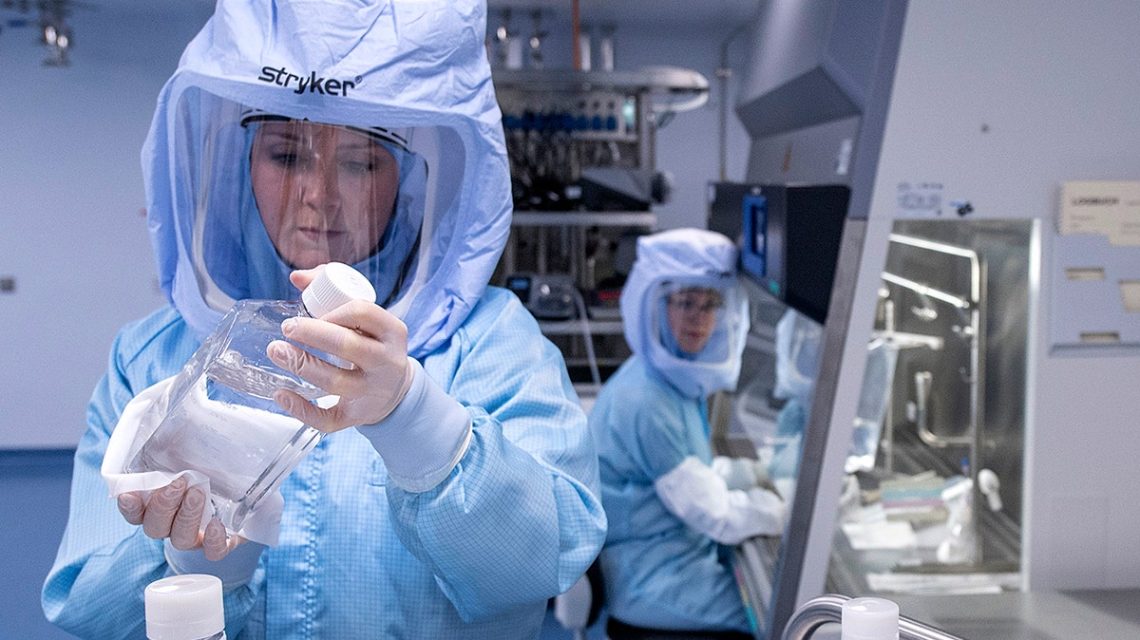
President Donald Trump has negotiated nine pricing agreements with pharmaceutical companies. These agreements aim to help Americans by lowering prescription drug costs.
Trump is committed to reducing drug prices for patients. He prefers negotiating with individual companies over wide-reaching mandates. Still, a more effective approach targets the root cause of high prices: foreign countries benefiting from American drug innovation.
The Trump administration should focus on international negotiations to ensure fair payment for U.S. developed medicines. This could reduce high drug prices while maintaining America’s leadership in biomedical innovation.
Challenges with Foreign Drug Pricing
Many wealthy countries use price controls and other tactics to pay less for new treatments, benefiting from innovation at Americans’ expense. U.S. patients account for about three-quarters of pharmaceutical profits and more than half of global research and development spending.
Lowering U.S. prices without increasing foreign contributions might harm American patients and the biotech industry. Some lawmakers propose a “most-favored-nation” pricing model, linking U.S. prices to lower foreign ones. This could reduce research funding and slow new treatment development, threatening jobs and competitiveness.
Encouraging Global Contribution
The Trump administration’s negotiation skills could rectify this imbalance. Their approach already secured a deal with the UK, requiring it to increase payments for new medicines by 25%. A similar agreement with Germany is in progress, following an investigation into German drug pricing’s impact on American commerce.
Other countries, such as Japan, France, and Switzerland, should be targeted next. Japan applies annual price cuts to about 50% of new medicines. If these nations paid U.S. drug prices, global pharmaceutical revenue might increase by over $254 billion. This could boost research and development, create jobs, and lead to cheaper treatments.
Trump’s negotiation prowess can yield significant changes. By encouraging trading partners to pay their fair share, the U.S. can reduce domestic drug prices while sustaining its biopharma advantage.
Ambassador Jeffrey Gerrish served as the Deputy U.S. Trade Representative for Asia, Europe, the Middle East, and Industrial Competitiveness from 2018 to 2020.
 Democrat Gaining Traction in Texas Senate Race
  President Trump Creates ‘AI Force’ Amid Rising Concerns
  A Look into Wisconsin’s Budget Strategy and Its Implications for Federal Policy
 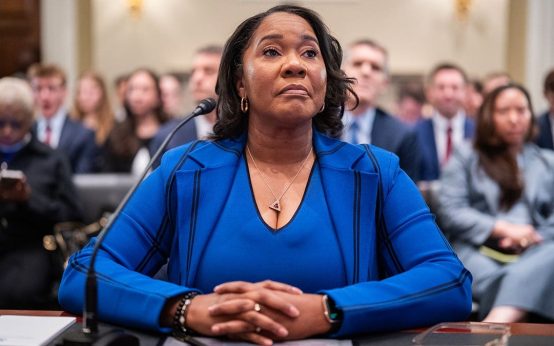 House GOP Continues ActBlue Investigation Over Alleged Foreign Donations
  U.S. and China to Discuss AI Transparency at Washington Summit
 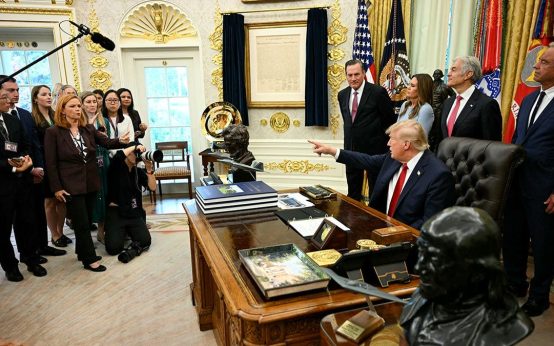 Media Pool Suspends Coverage of Trump After Banning CNN and Others