
In two weeks, the nation will witness its first election since the weakening of the Voting Rights Act’s key protections against racial discrimination. This marks a critical juncture for democracy. Since the Voting Rights Act’s inception, efforts have aimed to undermine its goal of equal voter participation. The Supreme Court’s 2013 ruling in Shelby v. Holder and the subsequent Louisiana v. Callais decision have further eroded the act’s power. Both cases were argued before the Supreme Court by the Legal Defense Fund, where I serve as associate director-counsel. This erosion has exposed Black voters to disenfranchisement through restrictive ID laws, targeted polling changes, limited early voting, and redistricting that weakens Black voting influence.
We now face significant threats to voting rights unmatched since the Jim Crow era. Abandoning the principles of racial justice that formed the foundation of our multiracial democracy would be a mistake. The manipulation of voting systems undermines a core political principle: governance for all people. Black voters should not be manipulated for partisan advantage, nor treated as a faceless group in political districts. Without corrective action, the fair representation envisioned by civil rights leaders could disappear, as demonstrated in states like Tennessee, Louisiana, and Alabama.
The need for action is pressing. We must tackle systemic barriers while protecting against ongoing attacks. Thinking boldly about election reform is crucial. Although no single solution fits every community, tools like ranked choice voting, cumulative voting, and limited voting hold promise. These methods have been successful in increasing candidate representation where Black voters consistently support specific candidates but face underrepresentation.
While employing creative reforms, opposing strategic redistricting designed to marginalize Black voters remains vital. The Legal Defense Fund remains committed to promoting fair districting, with recent successes like defending the majority-Black judicial subdistrict in DeSoto County, Mississippi. The passage of the John R. Lewis Voting Rights Advancement Act by Congress could restore and strengthen the Voting Rights Act’s safeguards. On the state level, funding and enforcing state Voting Rights Acts are essential. The Legal Defense Fund’s role in enacting statutory protections in Maryland, Delaware, New Jersey, and California testifies to this effort.
Collaborating with national and local organizations to mobilize community participation is crucial as seen in Alabama’s ‘All Roads Lead to the South’ and during the March on Washington in D.C. These collective efforts provide a framework for resisting efforts to diminish Black political engagement. Advocating reforms based on justice and rejecting partisan electoral manipulation is imperative. History shows that centering fair representation builds a democracy benefiting everyone. Voting rights should rise above partisan struggles to ensure all voices are heard.
Todd A. Cox serves as associate director-counsel of the Legal Defense Fund. With over three decades of experience in racial and social justice, Cox has held leadership roles across legal, philanthropic, and governmental sectors.
Copyright 2026 Nexstar Media Inc. All rights reserved. This material may not be published, broadcast, rewritten, or redistributed.
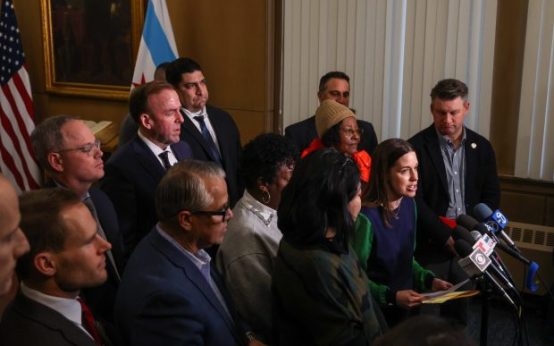 Mayor Brandon Johnson’s New Budget Proposal Targets Corporations
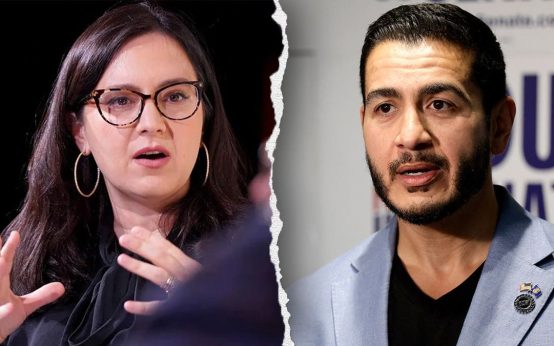 Bari Weiss Faces Criticism Over Investigation of Abdul El-Sayed’s Alleged Muslim Brotherhood Ties
 Trump Administration Tightens H-1B Visa Regulations
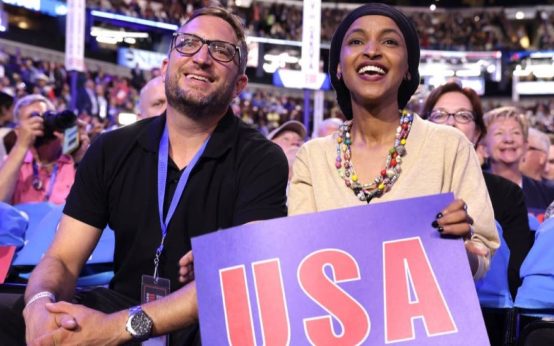 Congressional Scrutiny Over Rep. Ilhan Omar’s Finances and Winery Closure Amid Fraud Allegations
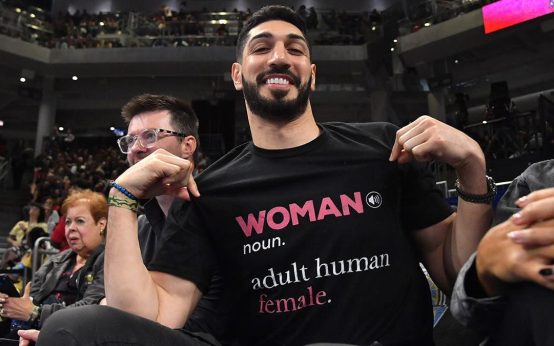 WNBA Firm on Eligibility Amid Freedom’s Challenge
 JD Vance and U.S.-Israel Politics