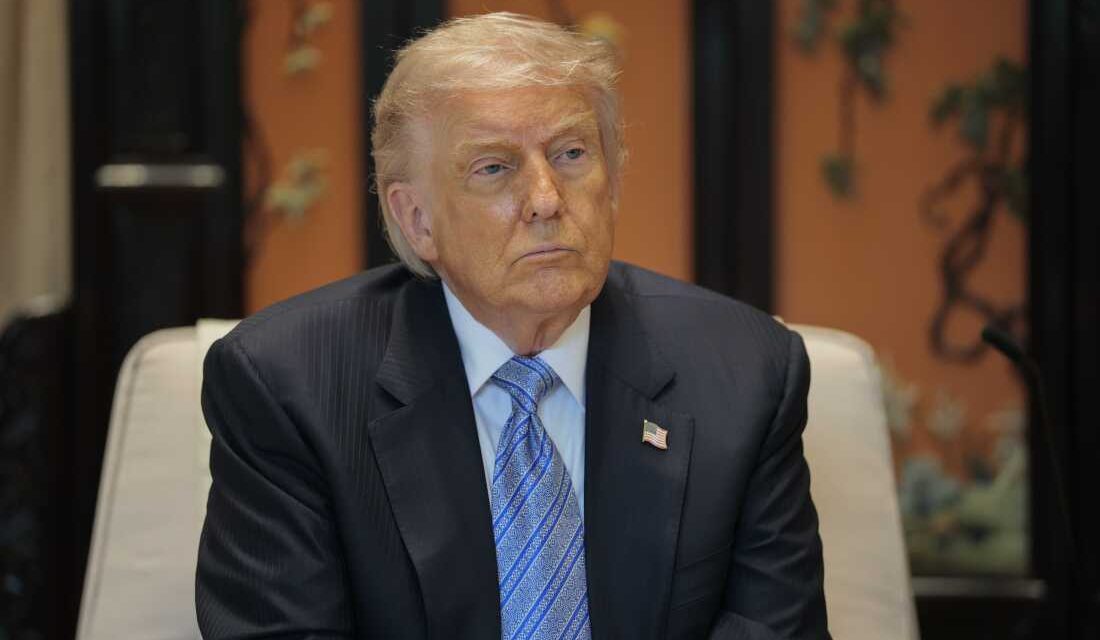
A federal judge is assessing a $1.8 billion fund established to compensate individuals the president claims were wronged by the federal government. U.S. District Judge Kathleen Williams is examining the fund, known as the “anti-weaponization fund,” after concerns were raised about its validity.
The fund was created as part of a settlement in a lawsuit filed by former President Trump against the IRS, concerning the leak of his tax returns. The settlement led to the establishment of a taxpayer-supported fund.
However, 35 former federal judges have contested the legitimacy of the settlement. They argue that Trump effectively acted as both plaintiff and defendant, being the president and head of the executive branch overseeing the IRS. This situation, they contend, amounts to a “fraud on the court.” The judges, appointed across multiple administrations, described the lawsuit as a mechanism enabling “the looting of American taxpayers.” They allege collusion between Trump’s lawyers and the federal government, requesting the court reopen the case to reassess the settlement.
Judge Williams, initially dismissing the lawsuit post-settlement, indicated empowerment to investigate potential misconduct following the former judges’ motion.
In parallel, U.S. District Judge Leonie Brinkema in Virginia temporarily halted the fund. Her order, a result of a lawsuit by former Justice Department lawyer Andrew Floyd and others, aims to prevent any irreversible disbursement of funds, citing the fund’s lack of congressional approval and potential encouragement of unlawful behavior.
Brinkema scheduled a June 12 hearing to decide on extending the temporary order. The Justice Department has yet to comment, but affirmed intentions to support those allegedly persecuted for political reasons.
“We will do everything in our power to make whole those who were persecuted for political purposes,” a Justice Department official stated on social media.
Legal experts have raised concerns over the fund’s inadequate oversight. Adam Zimmerman, law professor at the University of Southern California, pointed out that previous mass compensation funds addressed specific legal injuries and were often part of resolved class-action lawsuits, unlike this instance. He noted, “This fund doesn’t address real legal injuries. It offers money to an indeterminate group without any commencement of legal action.”
Zimmerman emphasized the uniqueness of this situation, stating it is “unlike anything we’ve seen in the history of the republic.”
 House Republicans Release Transcripts in Jack Smith Investigation
 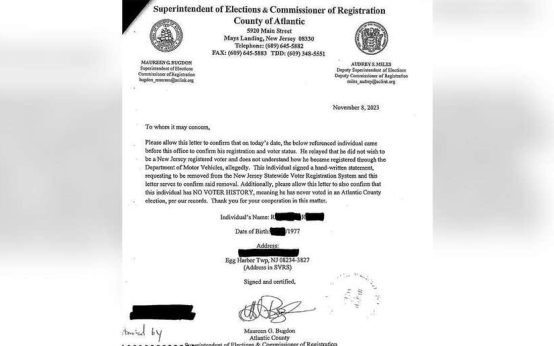 RNC Files Lawsuit for Transparency in New Jersey’s Voter Roll Maintenance
 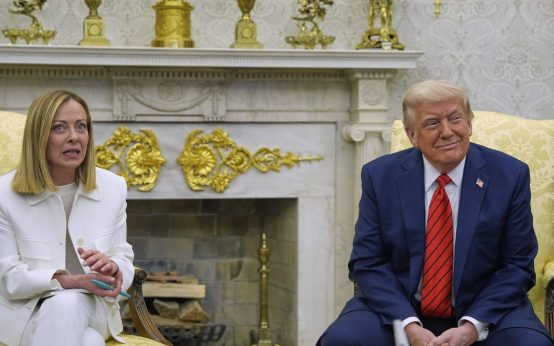 Italian PM Giorgia Meloni Skips UN General Assembly Amid Growing Tensions
  Calls Grow for Ireland’s Soccer Team to Boycott Matches Against Israel
  Congressman Randy Fine’s Bold Political Stance and Views on AI Regulation
 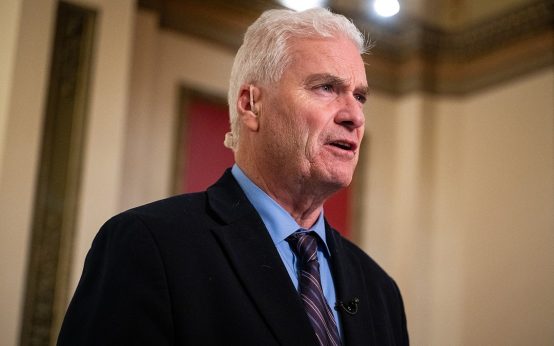 Political Messaging and Strategy Leading Up to Midterms